Sustainable and Eco-Friendly Slippers
Key Takeaways
- Eco-friendly slippers are made from sustainable materials.
- Choosing the right slipper can contribute to a healthier planet.
- Different types of eco-friendly slippers cater to various needs and preferences.
- Supporting brands that prioritize sustainability can make a difference.
As we become more conscious of our environmental impact, the demand for sustainable and eco-friendly products continues to grow. This shift extends to footwear, especially when it comes to comfortable options for home use. In this article, we will explore various types of eco-friendly slippers for men, their benefits, and how they are made. Let's take a step towards a greener future together!
Why Choose Eco-Friendly Slippers?
Eco-friendly slippers are designed with materials and processes that are less harmful to the environment. Here are some reasons why you should consider them:
- Sustainable Materials: Made from organic cotton, natural rubber, or recycled materials.
- Reduced Carbon Footprint: Many eco-friendly brands focus on minimizing their production impact.
- Healthier Home Environment: Non-toxic materials can lead to better indoor air quality.
- Support for Ethical Practices: Many sustainable brands are committed to fair labor practices.
Types of Eco-Friendly Slippers
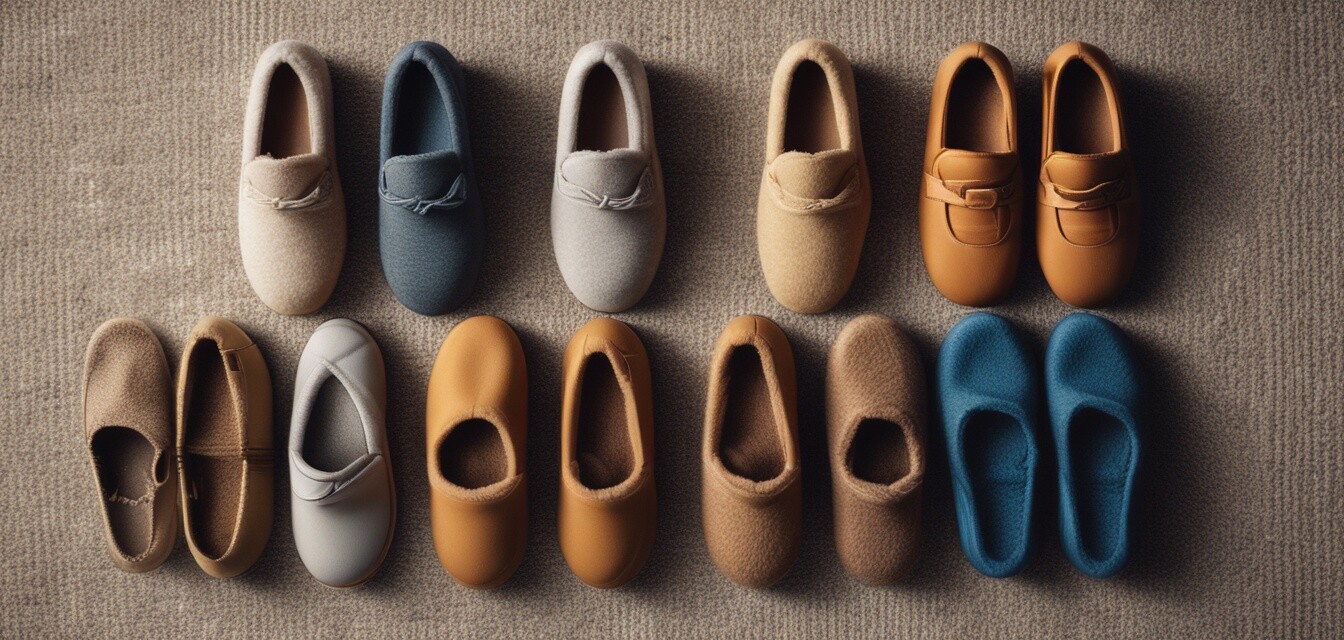
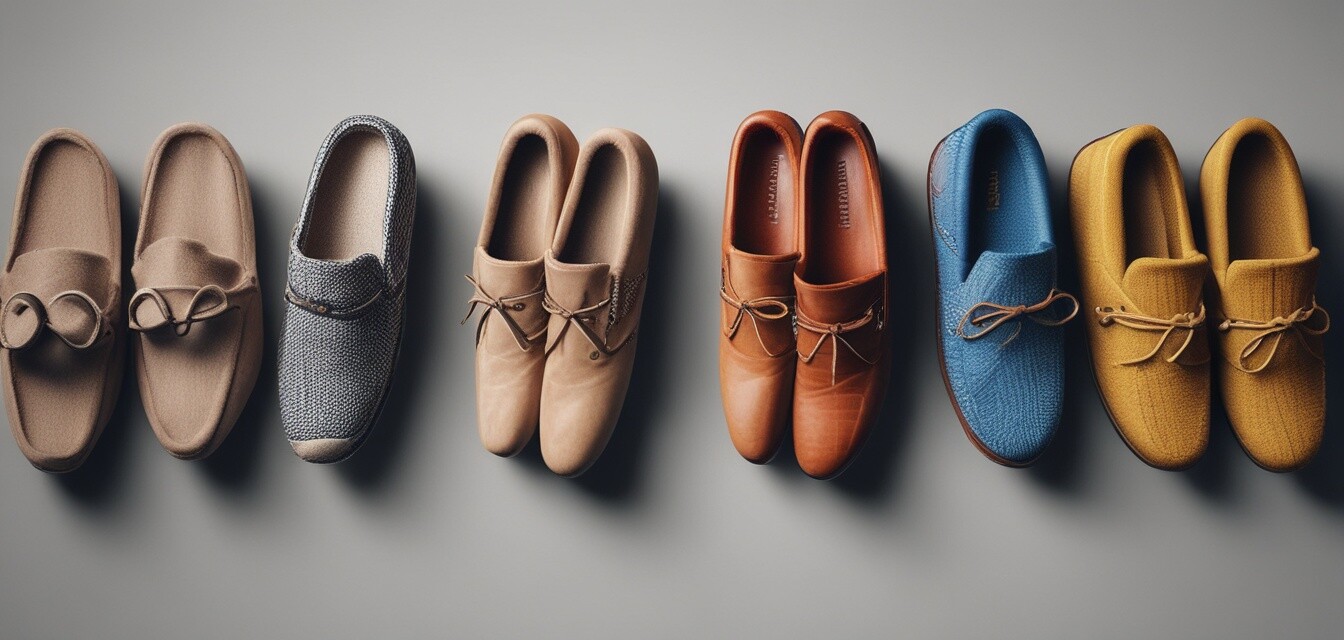
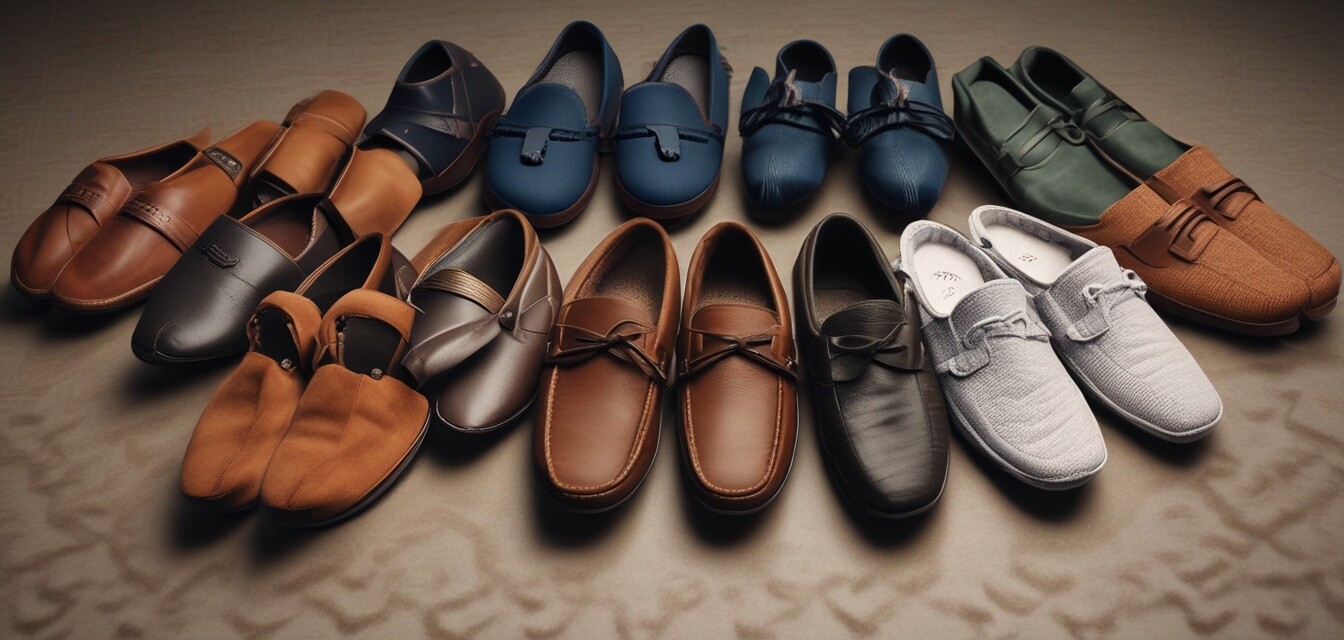
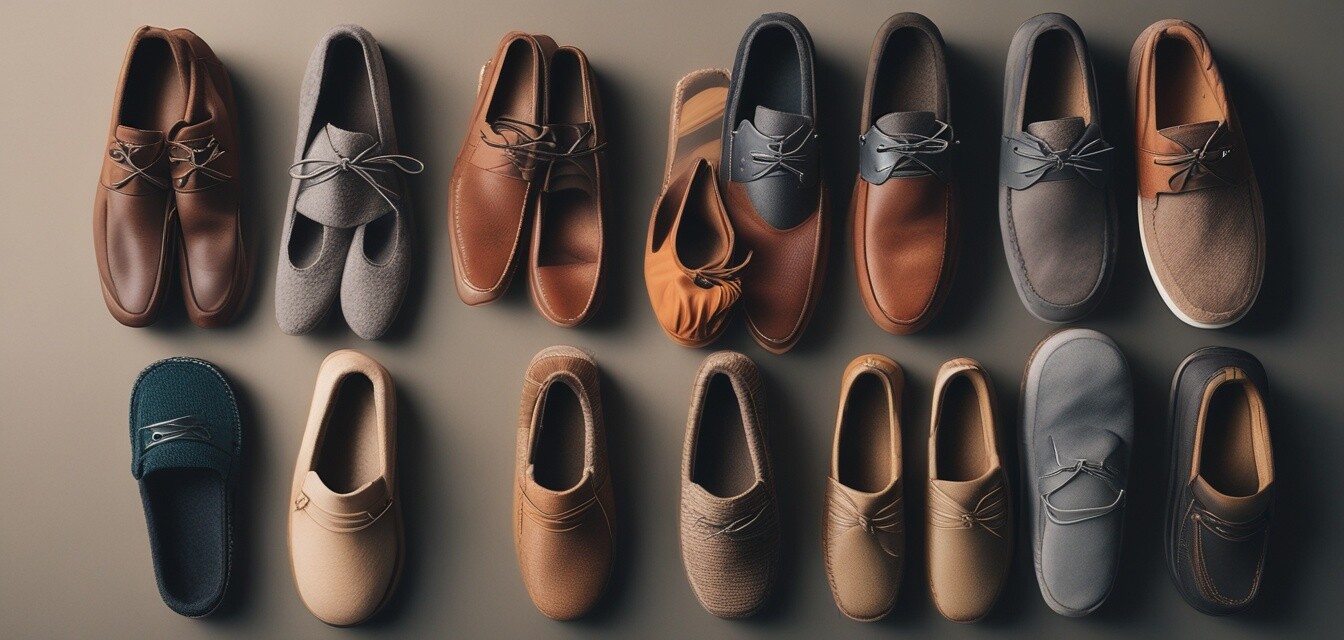
There are several types of eco-friendly slippers to suit different styles and needs. Below is a detailed comparison of popular categories:
| Type | Materials | Best For | Features |
|---|---|---|---|
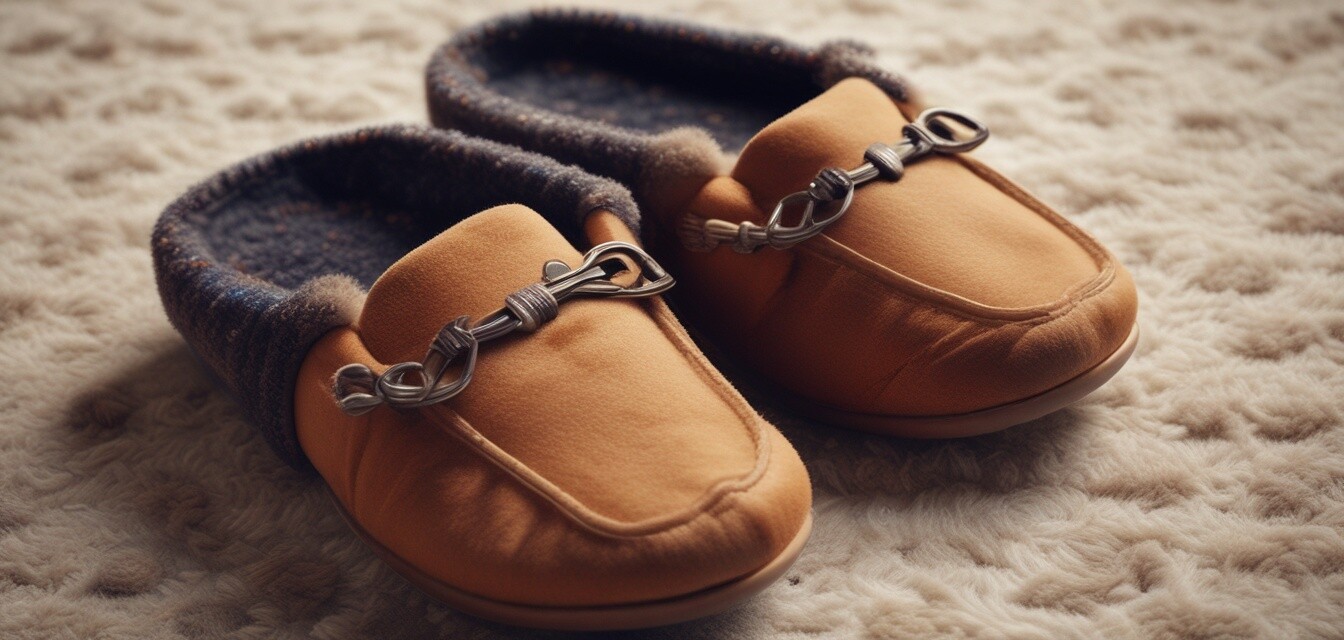
| Classic Moccasin Slippers | Leather, wool, or organic cotton | Indoor comfort | Soft lining, flexible soles |
| Orthopedic Comfort Slippers | Memory foam, recycled materials | Foot support | Arch support, cushioned footbed |
| Outdoor Durable Slippers | Natural rubber, canvas | Versatile use | Water-resistant, sturdy soles |
| Spa and Relaxation Slippers | Bamboo, microfiber | Home relaxation | Soft texture, breathable |
| Summer Cooling Slippers | Eco-friendly mesh, cotton | Warm weather | Lightweight, ventilated |
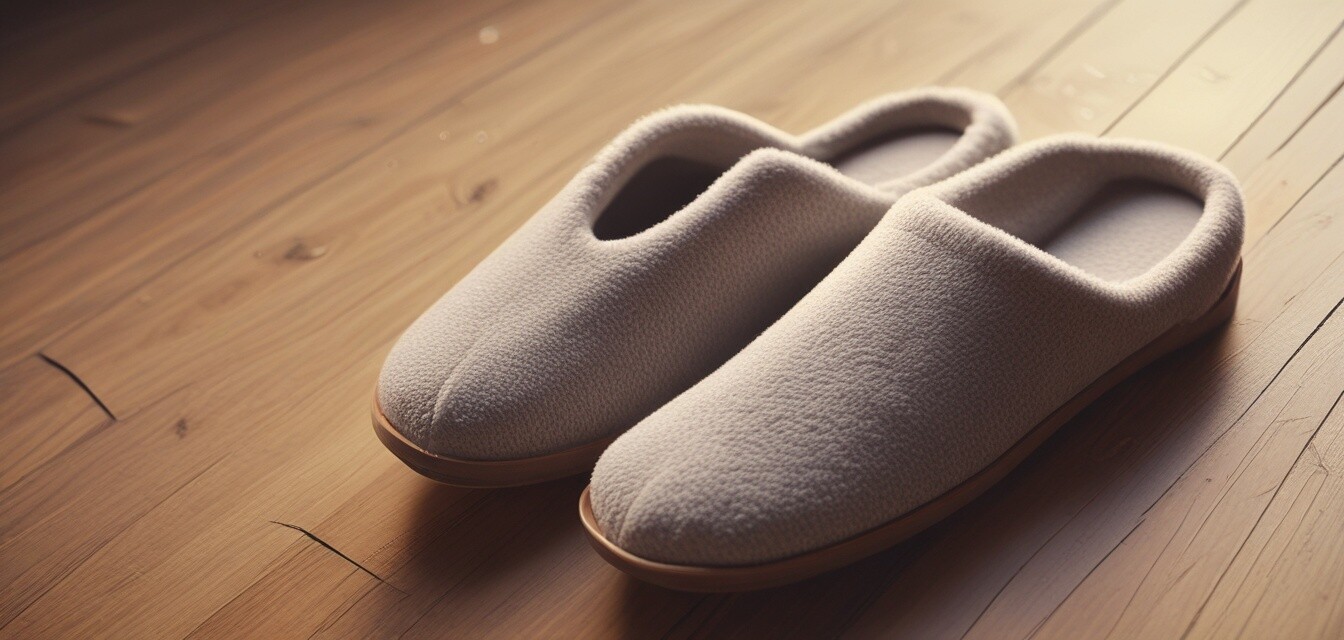
| Winter Warmth Slippers | Wool, fleece | Cold weather | Insulated, cozy |
Materials Used in Eco-Friendly Slippers
The choice of materials is crucial when it comes to eco-friendly slippers. Here are some common materials:
- Organic Cotton: Grown without harmful pesticides and chemicals.
- Bamboo: A fast-growing renewable resource that is naturally antibacterial.
- Recycled Materials: Helps reduce waste and the need for new resources.
- Natural Rubber: Sourced from rubber trees, providing a biodegradable option.
How to Choose the Right Eco-Friendly Slippers
Choosing the right pair of eco-friendly slippers can be overwhelming with so many options available. Here are some tips to help you make the best decision:
Tips for Beginners
- Consider your primary use: indoor, outdoor, or both.
- Look for certifications such as GOTS (Global Organic Textile Standard) or Fair Trade.
- Check customer reviews for comfort and durability.
- Compare prices to ensure you find the best value for your budget.
Brands That Prioritize Sustainability
Supporting brands that focus on sustainability can contribute to a more eco-friendly future. Here are some notable brands:
- Classic Moccasin Slippers
- Orthopedic Comfort Slippers
- Outdoor Durable Slippers
- Spa and Relaxation Slippers
- Summer Cooling Slippers
- Winter Warmth Slippers
Care for Your Eco-Friendly Slippers
To extend the life of your eco-friendly slippers, proper care is essential. Here are some maintenance tips:
- Follow the washing instructions on the label.
- Use natural detergents to avoid harming the materials.
- Air dry instead of using a dryer to preserve shape and material.
- Store in a cool, dry place to prevent mold and mildew.
Conclusion
Investing in sustainable and eco-friendly slippers is not just a style choice, but a step towards a better environment. By selecting slippers made from natural or recycled materials, you contribute to a healthier planet while enjoying comfort at home. Remember to choose wisely and support brands that prioritize sustainability!
Pros
- Environmentally friendly materials
- Support for sustainable brands
- Comfort and style options
- Improved indoor air quality
Cons
- Potentially higher price point
- Limited availability in local stores
- Care instructions may vary
Additional Resources
For more information on eco-friendly slippers and sustainable practices, check out our other articles: