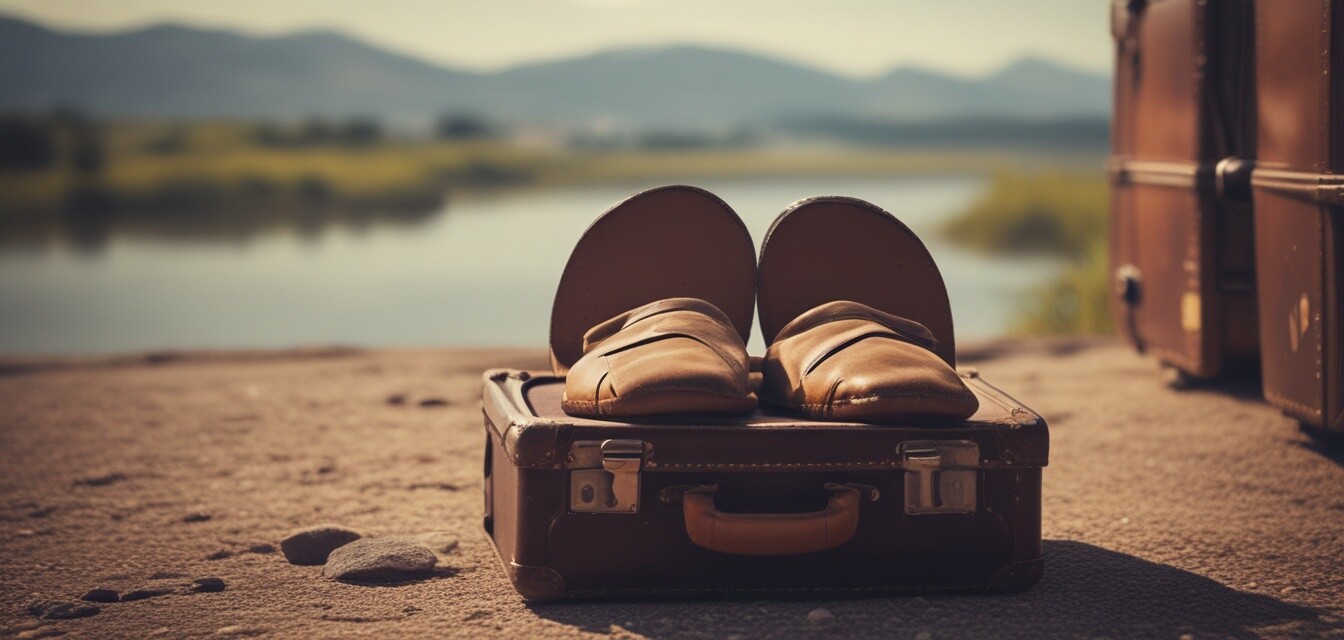
The Best Slippers for Travel: Comfort on the Go
Key Takeaways
- Look for lightweight and compact design for easy packing.
- Consider materials that are breathable and moisture-wicking.
- Choose slippers with good grip for safety in different environments.
- Prioritize comfort, especially for long trips.
- Check for easy cleaning removable insoles to maintain hygiene.
Traveling can be a delightful experience, but it often comes with its own set of challenges, especially when it comes to comfort. One essential item that can elevate your travel experience is a good pair of slippers. In this guide, we will delve into the best slippers for travel, exploring the features that make them perfect for on-the-go comfort. Whether you’re heading to a hotel, staying with friends, or just lounging at the airport, finding the right pair of slippers can make your journey much more enjoyable.
Key Features to Consider
When searching for the best slippers for travel, there are several key features you should consider:
| Feature | Description |
|---|---|
| Lightweight | Choose slippers that are easy to pack and won’t add bulk to your luggage. |
| Compact Design | Look for slippers that can easily fit into your luggage or backpack without taking up too much space. |
| Breathable Materials | Opt for slippers made from breathable materials to keep your feet cool and dry during your travels. |
| Non-slip Soles | Ensure your slippers have good grip to prevent slips, especially in unfamiliar places. |
| Comfortable Fit | Look for a pair with a snug but comfortable fit to provide support during prolonged wear. |
Types of Travel Slippers
There are various types of slippers that serve different travel needs. Here’s a breakdown:
- Moccasin Slippers: Ideal for lounging, these offer warmth and comfort during comfortable travel stays. For more on these, check out our Classic Moccasin Slippers.
- Orthopedic Slippers: Designed for foot support, these are perfect for travelers who need extra comfort or have specific foot concerns. Learn more in our post about Orthopedic Comfort Slippers.
- Spa and Relaxation Slippers: Perfect for unwinding after a long travel day, they're soft and cozy, ideal for indoor use. For tips, see our article on Spa and Relaxation Slippers.
- Winter Warmth Slippers: For those traveling in colder temperatures, insulated slippers ensure your feet stay warm. Discover more options in our section on Winter Warmth Slippers.
Travel Tips for Choosing the Right Slippers
Tips for Beginners
- Try your slippers on with the socks you plan to wear during your travels.
- Read reviews to ensure comfort and quality before purchasing.
- Think about your travel itinerary: will you mostly be indoors or outdoors?
- Consider environmental factors, such as climate and terrain, when selecting materials.
Where to Buy Travel Slippers
When it comes to purchasing slippers for travel, online platforms like Amazon offer a wide variety of options suitable for every need and budget. Remember to check for sizing guides to ensure a perfect fit and take advantage of customer reviews to gauge comfort and durability.
Conclusion
Finding the best slippers for travel may seem trivial, but the right pair can significantly enhance your travel experience. By focusing on lightweight design, breathable materials, and comfort, you can make your journeys more enjoyable. Don’t forget to consider your specific travel needs and preferences. With the right information and a little planning, you can travel in comfort! For more in-depth information, explore our Buying Guides section.
Pros
- Easy to pack and lightweight
- Provides comfort during travel
- Variety of styles for different needs
- Durable materials available
Cons
- May lack support compared to shoes
- Not suitable for all outdoor surfaces
- Can be bulky for some designs